






Frequently Asked Questions
The purpose of JAMs is to practice layering viewpoints before forming a response.
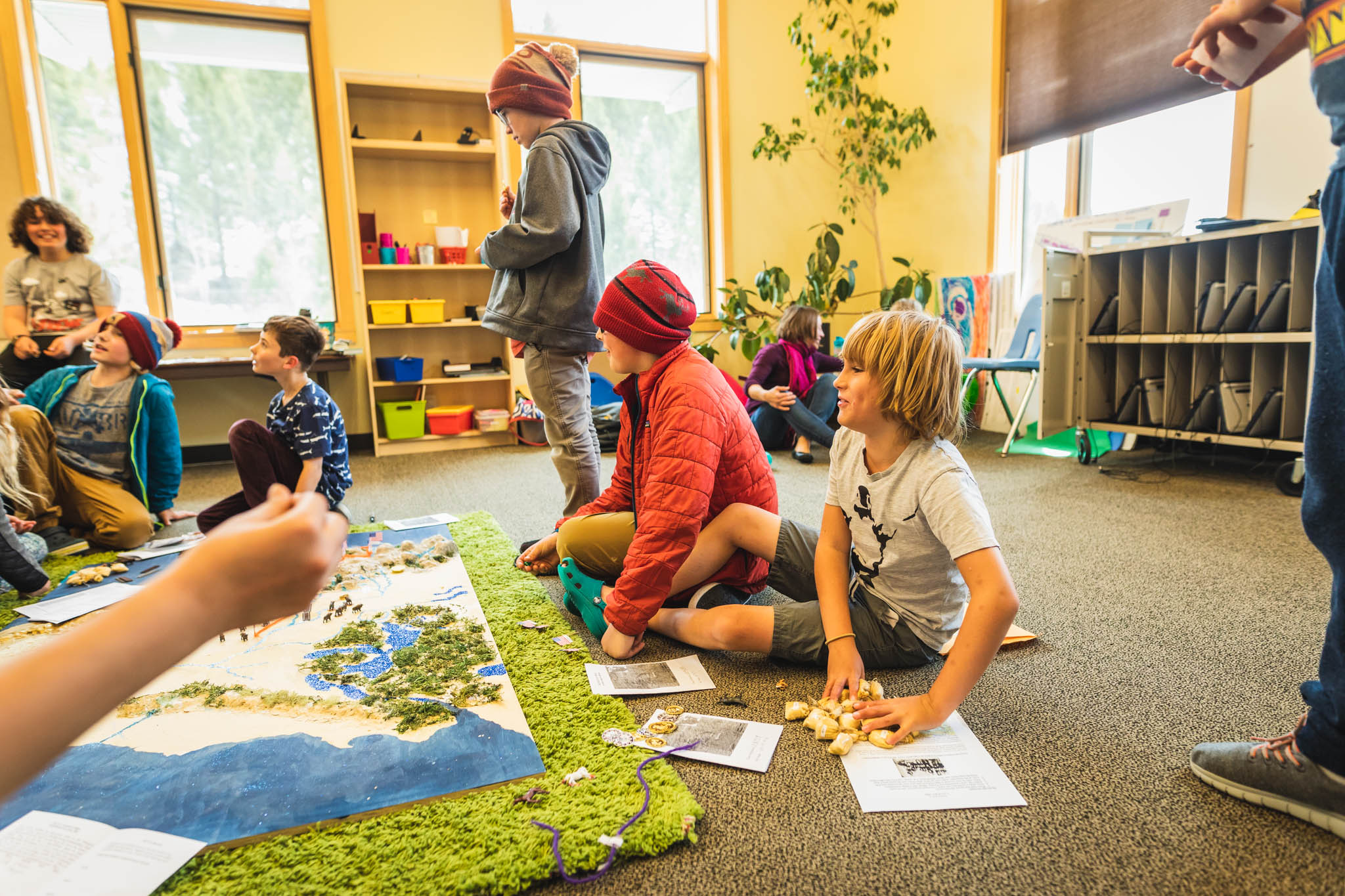
Yes. JAMs use problem-based learning that lets students gradually take responsibility for group learning. They support shy, hesitant, or non-traditional learners by helping them discover their voice
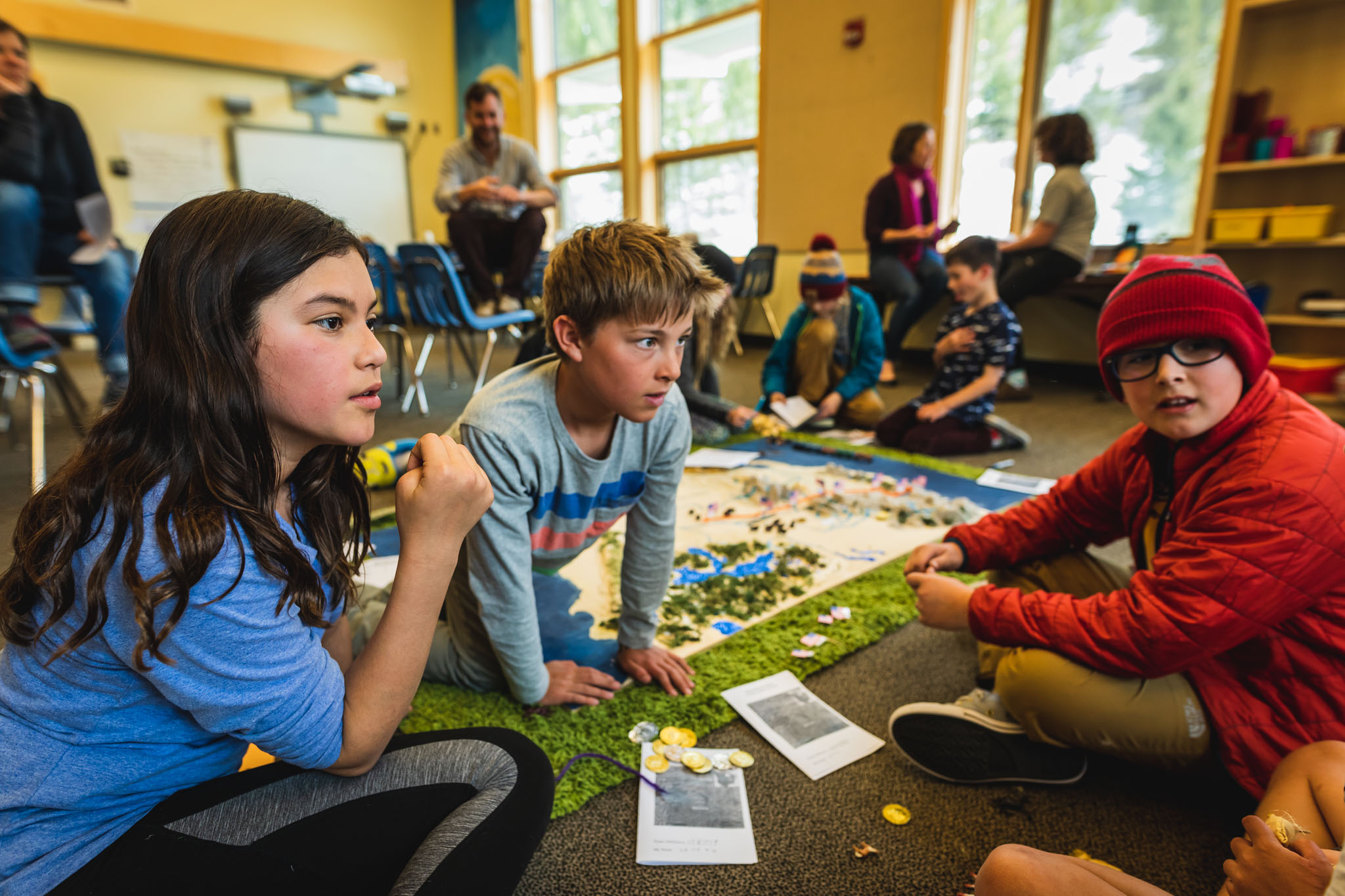
Managing discomfort is a key 21st-century skill. JAMs help students face challenging ideas while balancing emotions with critical thinking, both individually and as a group.
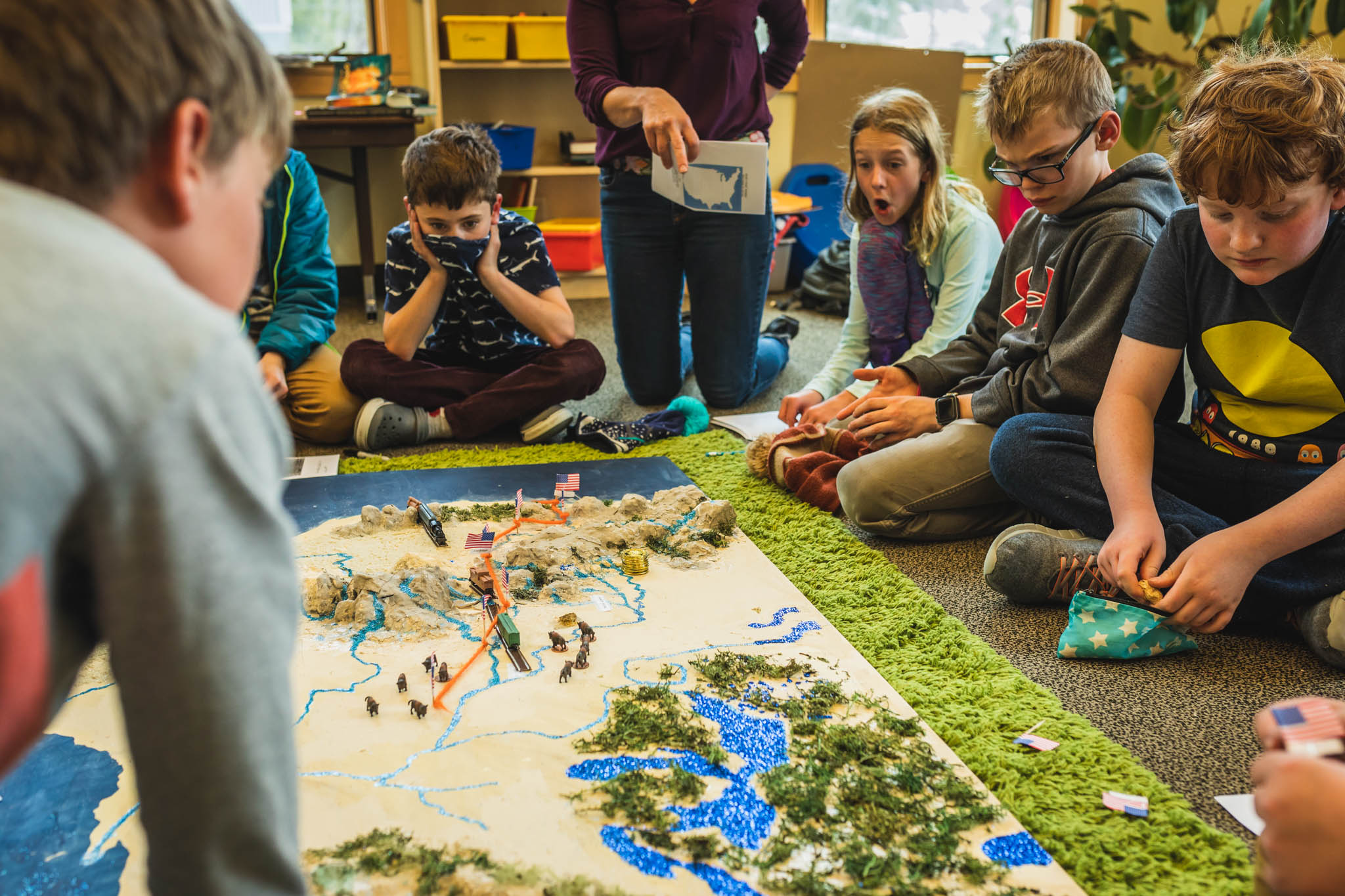
Yes. JAMs are designed to engage diverse learners through collaborative, inquiry-centered design that supports culturally responsive thinking.

informal research only

JAMs assume that teaching and learning are mutually reinforcing. Skills aren't limited by test score, reading level, first language, or cultural background. The design strengthens every player.

For groups of 3, stronger readers may take two roles. For groups of 5, two students can share one role.
.jpg)
JAMs are scaffolded and work like process puzzles. The group effort is designed to strengthen any weaknesses.
.jpg)
Actually, many teachers find it easier. The human-centered, discussion-driven approach encourages collaboration, meaning, and shared problem-solving.

Pre-Game Warm-Ups and JAMs have vocabulary lists. Plus, our design method uses embedded vocabulary so readers see new words in context. Taken together, new vocabulary is folded into conceptual ideas and traditional learning objectives.
.jpg)
Absolutely. Each JAM includes Guiding Questions to support rich discussions. You don’t need all the answers—just model curiosity by saying, “Let’s investigate!”
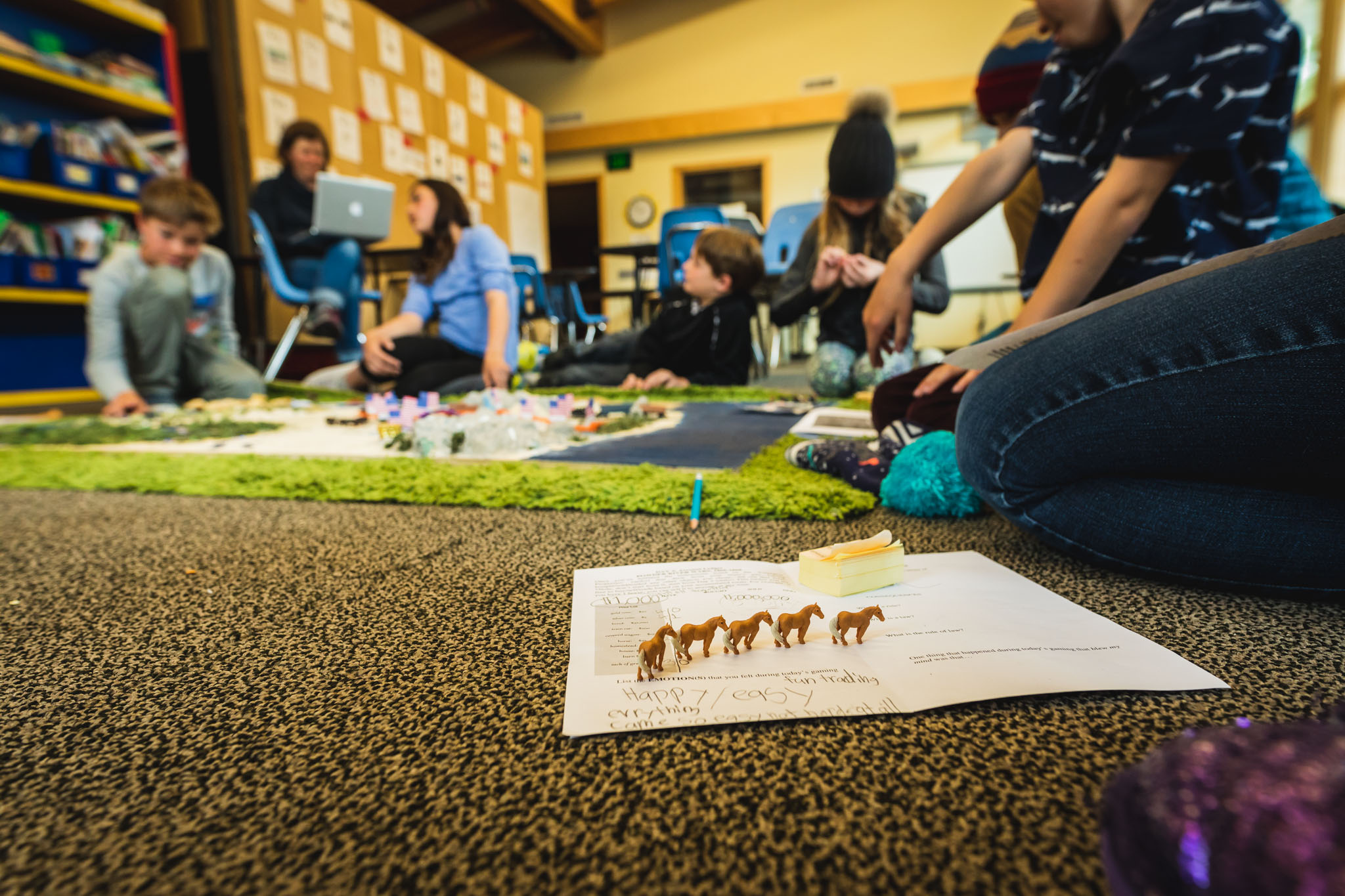
There are currently 20 JAMs across two social-studies strands. Each includes a 30-minute activity, an optional Pre-Game Warmup, and six optional ELA extensions.
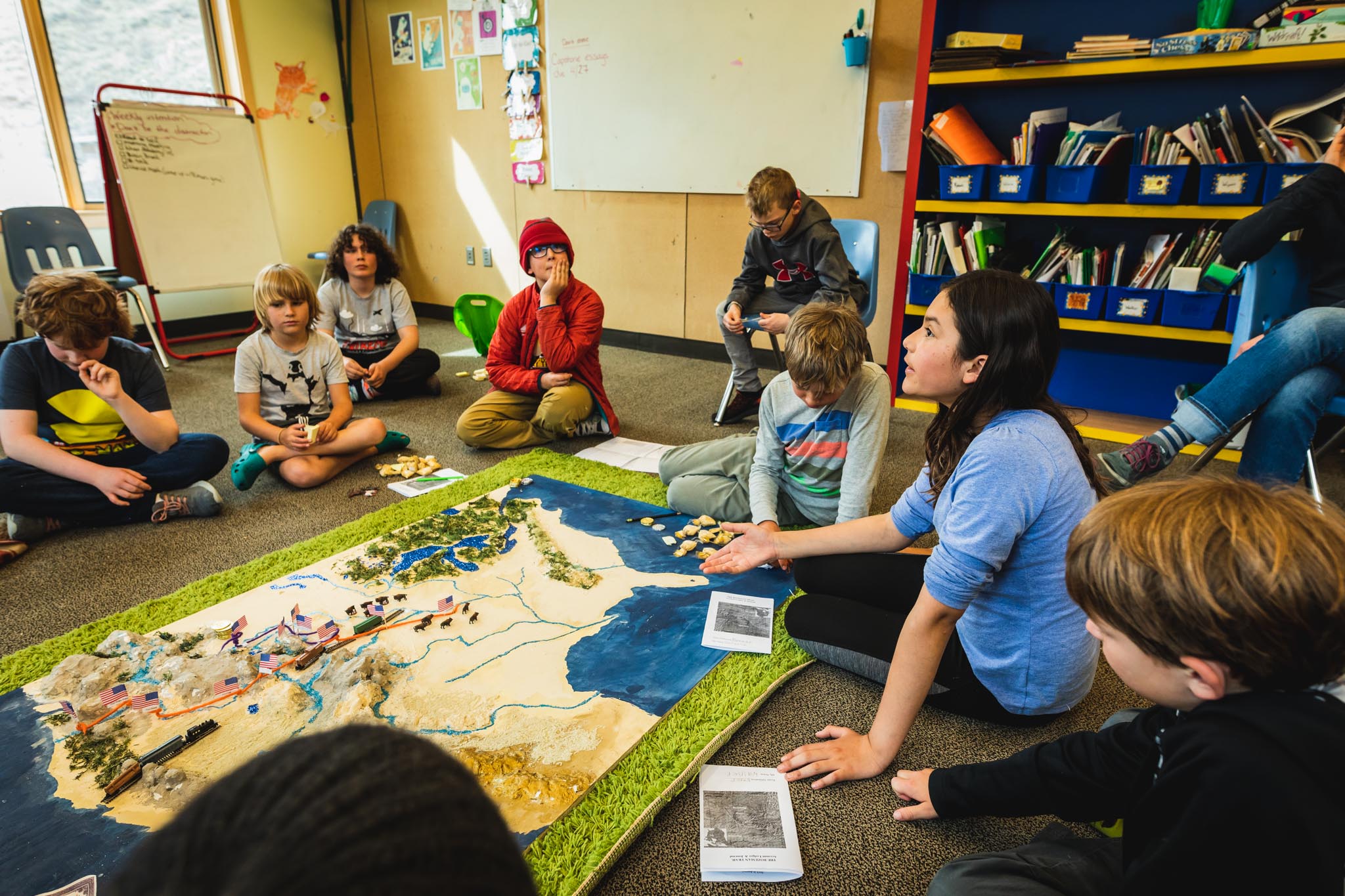
- BRAVE Games = large group board games played across 5 one-hour sessions.
- JAMs = short, 30-minute small-group activities. JAMs also act as prequels and sequels that connect BRAVE Games.
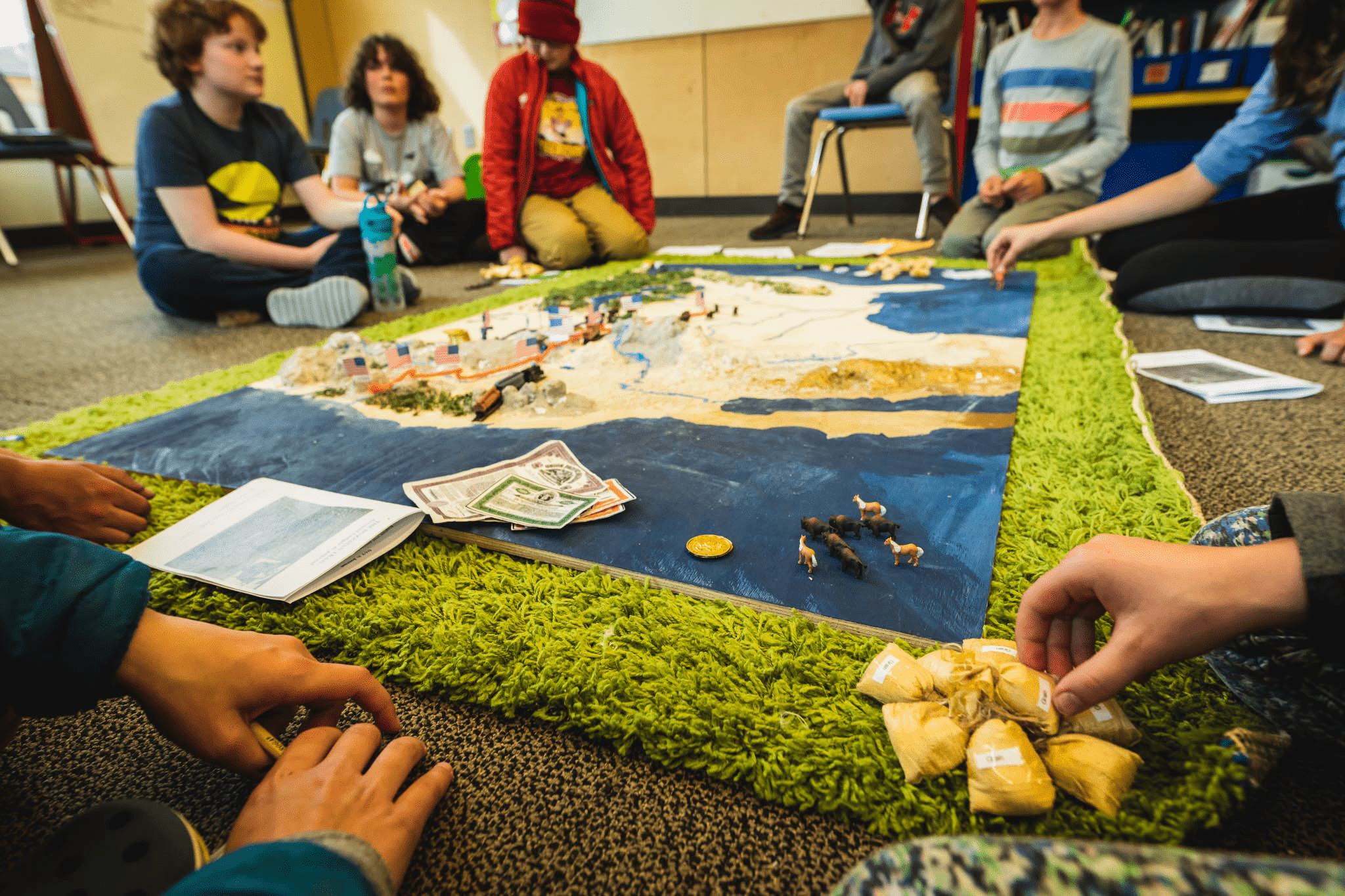
Extensions provide explicit writing instruction to help students process new learning, as per Science of Reading instructional guidelines. Given that reading and writing are reciprocal learning tasks, and that written syntax is more complex than oral language, extensions provide students with practice space to arrange new knowledge into meaningful phrases and sentences. If so, Learning Science indicates they'll be poised to make sense of increasingly complex reading passages found in standardized tests.
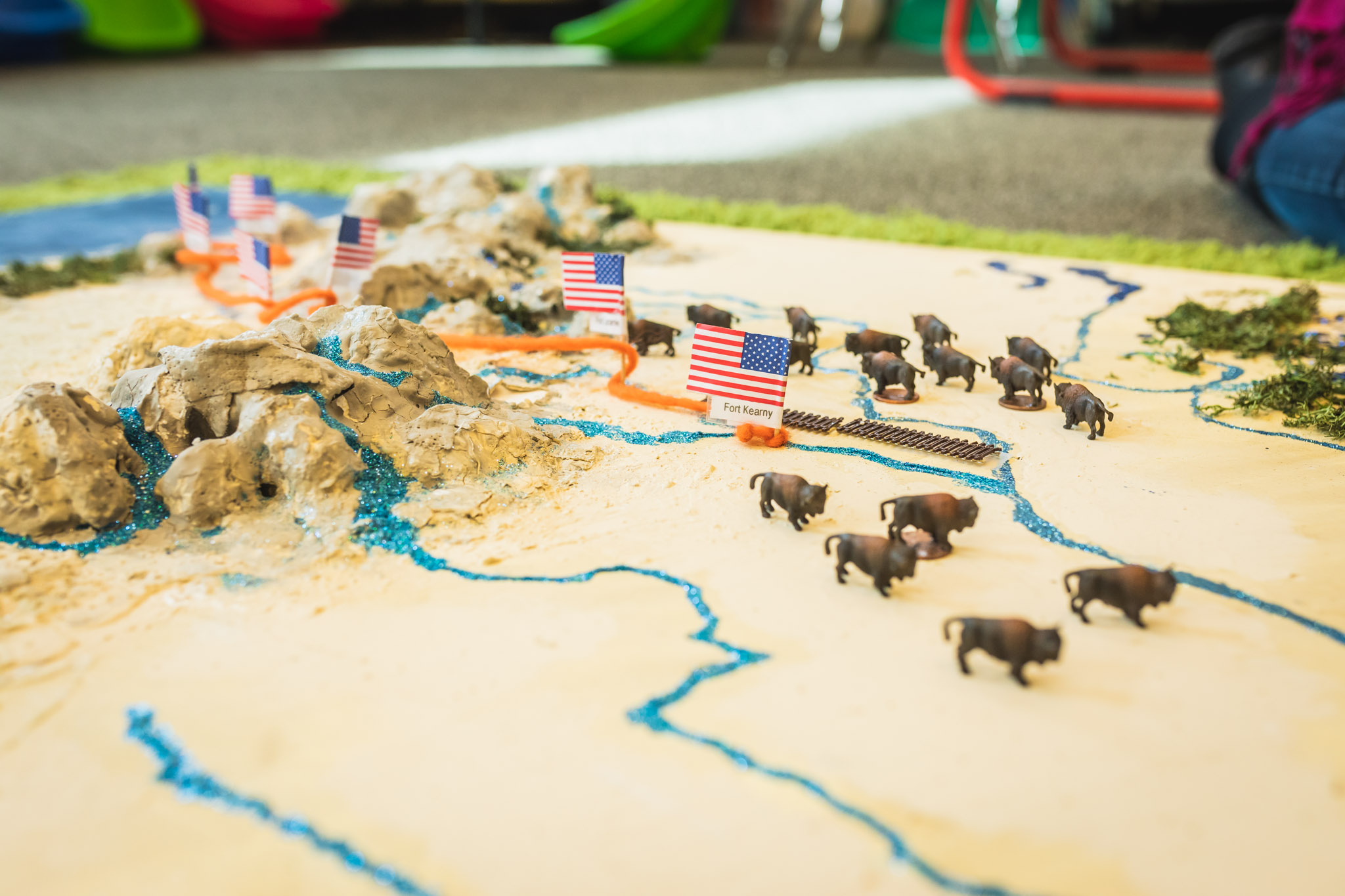
A schema is an idea or concept that helps make abstract ideas applicable. In this case, schemas help students organize details, respond to guiding questions, and draw life lessons from every JAM. The beauty of using schemas is three-fold: administrators love schemas because they ensure programming is tightly-scoped to meet learning objectives; teachers love schemas because they support inquiry-led learning that empowers students to take responsibility for their learning; students love schemas because they invite wonder.
Each JAM has an optional lesson, a Pre-Game Warm-Up provided in booklet form. Print double-sided, head-to-head, and fold. Inside the booklet, students read about that JAM’s dedicated schema in three brief writings, including a short set of guiding questions for each. Plus, booklets contain vocabulary list, embedded vocabulary and more!
Each JAM has an optional lesson, a Pre-Game Warm-Up provided in booklet form. Print double-sided, head-to-head, and fold. Inside the booklet, students read about that JAM’s dedicated schema in three brief writings, including a short set of guiding questions for each. Plus, booklets contain vocabulary list, embedded vocabulary and more!
These concept ideas are schemas. Students use schemas to make abstract ideas applicable. Note, there will only ever be 10 schemas that we’ll use to build each of the 10 JAMs that comprise any and every series. In sum, we can build infinite JAMs, but the number of schemas we’ll use will always be limited to the same 10 schemas.
No formal training is required. The packets are Print & Play, designed to be intuitive and teacher-friendly.
It takes about one JAM for a user to find the swing of things!
Parents, adults and social workers have asked for access to JAMs because they’re intuitive and flexible enough to use outside the classroom. Most importantly, they create a safe space for students to practice empathizing. Note, empathy is different from sympathy since empathy cues cognition. This inspires all learners to scour the readings, searching for clues to help them answer, Who, What, When, Where, How & Why.
Not yet! But we’re working on a plan to bring JAMs to every device!
Not all JAMs are free.Without subscription,only one JAM from any series is free for download.
Subscribed users can download as many times as possible.If the user is not subscribed,only one JAM can be downloaded for one time.
You can cancel your subscription anytime.eduPLAYnation provides refund within 30days of purchase.
You get immediate access to all available JAM series (currently Geography with 10 lessons), plus all future series as they're released at no additional cost.
Yes! You can download any one JAM file for free from the Geography or Politics Government series(as of now). This gives you a complete lesson to try in your classroom. Only two pages of each JAM are available for preview without subscription.
After subscribing,Access your dashboard to download all JAMs as PDFs. Print as many copies as you need for your classroom.
All plans include email support. School and District plans receive priority support and additional implementation resources.Please send email to info@eduplaynation.org
Creating eduPLAYnation account is free!You can even use your Google, Facebook, or personal email account to sign
1.What are the basic requirements for usernames?
- Length: 3–20 characters
- Allowed characters: letters, numbers, _, -
- No spaces or special symbols
- Must be unique
- No offensive or impersonating names
Gmail will show available alternatives or let you try a new one; usernames can't be too similar to existing ones.
Use at least 8 characters with a mix of uppercase and lowercase letters, numbers, and symbols.
If you're trying to register using an email and password (rather than signing up through Facebook or Google), you'll need the verification email to verify your email address so that you can set up your eduPLAYnation account. If you haven't received the verification email for your new eduPLAYnation account yet, the email may be stuck in your spam folder.
If your EduPLAYnation account was created using Facebook or Google single sign-on, your password is the same one you use to log in to those services. You can reset your password directly through Google, Facebook, Clever, Classlink, Apple or Microsoft. .